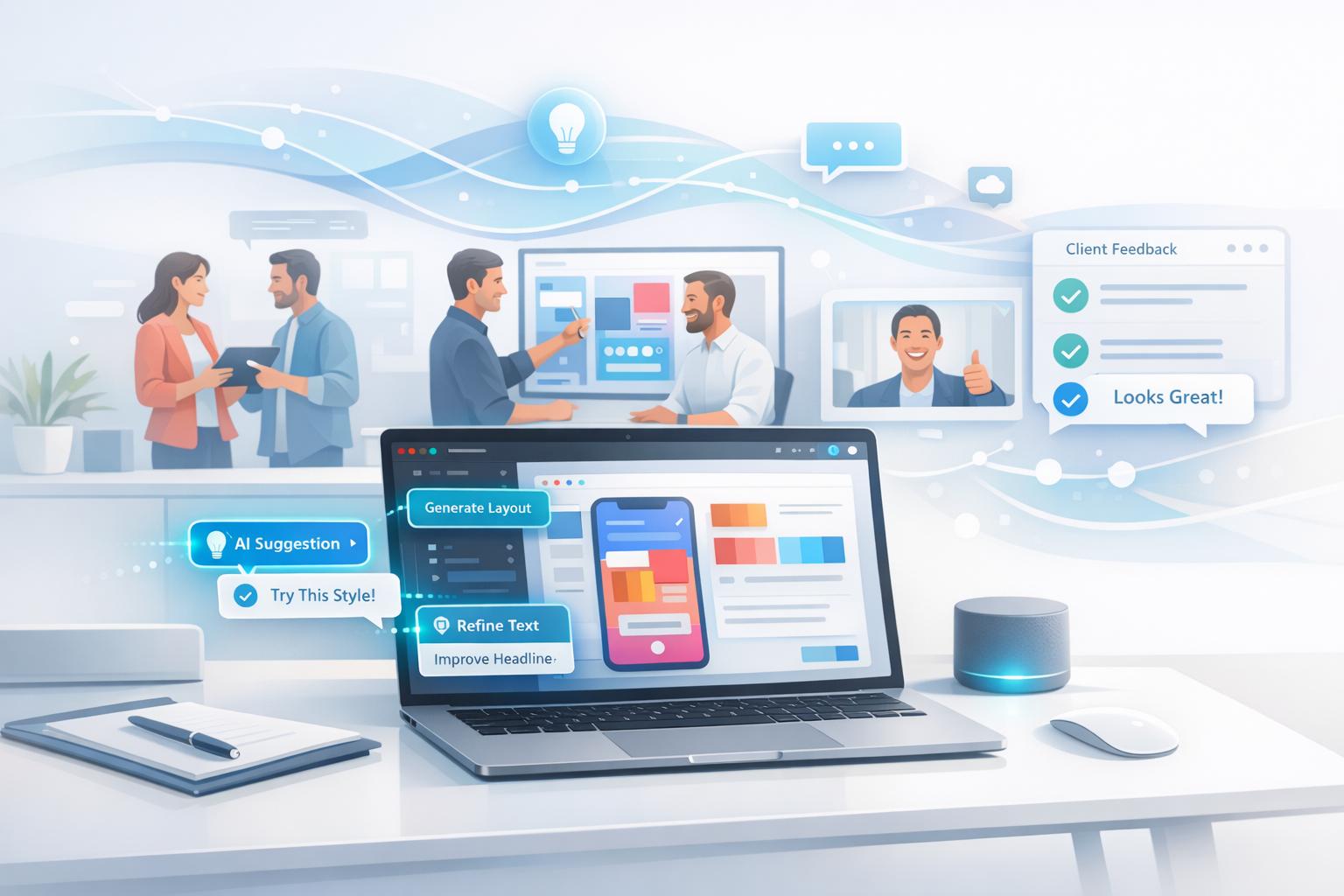
How Designers Win in 2026: AI, Tools, and Workflow
The design industry is experiencing a seismic shift, one that goes beyond the usual yearly style trends. In 2026, the spotlight is not on aesthetics but on how designers work, the tools they use, and the evolving expectations of clients and teams. If you’re a freelancer, part of a creative agency, or an in-house marketing team member, these changes directly impact how you deliver value, save time, and elevate your craft. This article explores the transformative forces shaping the creative landscape, from AI to free software and beyond.
The Death of Busy Work: How AI is Reshaping Design Processes
Artificial intelligence (AI) is no longer a buzzword; it’s reshaping what’s possible in design. While some creatives initially feared that generative AI would replace their roles, the reality is more nuanced. AI is not eliminating designers but rather automating repetitive, tedious tasks - what we might call "busy work." This shift allows designers to dedicate more time and energy to meaningful, creative challenges.
Key AI Innovations Streamlining Design Workflows
- AI Selection and Masking: Tools like Photoshop and Affinity now offer AI-powered features that remove backgrounds or harmonize images in a single click. What once required hours of manual work can now be done in seconds.
- Time Optimization: Designers are leveraging AI not just for creating assets but also for organizing their time. AI-powered tools assist with mockup creation, file management, and even layer renaming, freeing up hours for high-impact tasks.
- Enhanced Output Quality: By automating mundane tasks, AI raises the bar for designers, allowing them to focus on crafting better logos, brand identities, and systems.
The takeaway? AI is not replacing creativity but enhancing it. Designers who adopt AI as a collaborative tool will find themselves better equipped to meet client expectations and innovate.
sbb-itb-32f6eb2
The Democratization of Design: Free vs. Paid Software
The design industry is witnessing another groundbreaking shift: the rise of free and accessible professional tools. When a company like Canva acquires Affinity and makes it free for professional workflows, it levels the playing field. The barriers to entry into the design world - once defined by expensive subscription models - are dissolving. This democratization of tools is transforming the creative landscape.
Why Free Tools are Changing the Game
- Wider Access, Higher Standards: Free tools like Affinity mean that anyone, from students to seasoned professionals, can access high-quality software. This raises the baseline skill level across the industry.
- Professional Results Without Cost: Tools that were once considered "toys" are now capable of professional-grade work. Canva, for instance, is no longer just for quick social media posts - it’s a serious tool for branding and scaling.
- Competitive Market: Paid tools like Adobe still have their edge, but the increased competition from free options forces all software providers to offer better features and user experiences.
The shift from exclusive, paid tools to accessible, free alternatives elevates the industry as a whole. Designers can now focus less on affording the tools and more on honing their essential design skills.
Designers Who Ship Win: Moving Beyond Deliverables
In 2026, the role of a designer isn’t just about creating assets - it’s about delivering systems and outcomes. Clients today expect more than a flat logo or a style guide; they want dynamic, functional brand identities that work across platforms and formats.
From Files to Functionality
- Working Brand Systems: Logos are no longer the end product. Clients want to see how designs function across contexts - how they move, interact, and adapt. Designers who can create versatile, cohesive brand systems will outpace those who focus solely on static assets.
- Execution Matters: The ability to take a concept from idea to live execution is what sets successful designers apart. Whether it’s building a working website or creating a fully scalable brand system, execution is king.
The key to success lies in thinking beyond the immediate deliverable and taking ownership of the full brand experience. As technology evolves, designers who adapt their workflows to include execution will thrive.
Boutique vs. Large Agencies: The Rise of Specialization
The design industry is shifting its focus from large, generalized agencies to smaller, boutique teams. These smaller entities bring a unique perspective and specialized expertise, making them increasingly attractive to brands seeking intentional, tailored solutions.
Why Small Teams are Taking the Lead
- Perspective Over Scale: Boutique agencies and freelancers offer a specific point of view, which often resonates more with brands looking for distinctive, authentic work.
- Specialization Over Generalization: Instead of trying to do it all, smaller teams are excelling by narrowing their focus. For instance, a designer may specialize in logotype design, bringing unparalleled expertise to that niche.
- Trust and Connection: Clients increasingly value the personal touch and collaborative approach that smaller teams can provide.
While large agencies still play a vital role, the rise of boutique studios signals a broader industry trend: the move toward intentionality and specialization.
The Evolution of Tools and Taste
As technology continues to evolve, so does the creative process. The tools available to designers today offer unprecedented freedom, allowing them to focus on taste, strategy, and execution rather than technical hurdles.
Creativity Unleashed
- No Single Dominant Tool: The industry no longer revolves around one software giant. Designers are combining tools - like Canva, Affinity, and Adobe - to craft innovative solutions.
- Intentional Design: Designers are moving away from trends and toward intentional, thoughtful work. It’s no longer about following the golden ratio but about creating designs with meaning and impact.
- Focus on Craft: With AI and automation handling the grunt work, designers have more time to refine their craft and bring their unique taste to the forefront.
The future of design is not about mastering one tool but about mastering the thinking, taste, and execution behind exceptional design.
Key Takeaways
- Adopt AI: Use AI to automate repetitive tasks, like masking and layer renaming, and focus on creative, high-impact work.
- Leverage Free Tools: Explore free professional software like Affinity to reduce costs without sacrificing quality.
- Deliver Outcomes, Not Just Assets: Go beyond logos - create scalable, dynamic brand systems that meet client needs across platforms.
- Specialize with Purpose: Hone in on your niche and leverage your unique perspective to stand out in a competitive market.
- Combine Tools Thoughtfully: Don’t rely on one software. Mix free and paid tools to achieve innovative results.
- Prioritize Craft and Taste: With technical barriers lowered, success lies in intentional, well-thought-out design.
Conclusion
The year 2026 is not about chasing visual trends - it’s about embracing the tools and workflows that enable designers to spend more time on what truly matters: creativity and impact. By adopting AI, leveraging accessible tools, and focusing on thoughtful execution, designers can thrive in this transforming industry. The future belongs to those who adapt, specialize, and ship creative solutions that go beyond the expected. Are you ready? The tools are in your hands. Now it’s time to create.
Source: "Graphic Design Trends 2026 | Why This Year Feels Different 👀" - Will Paterson, YouTube, Jan 3, 2026 - https://www.youtube.com/watch?v=te6wAKXTito