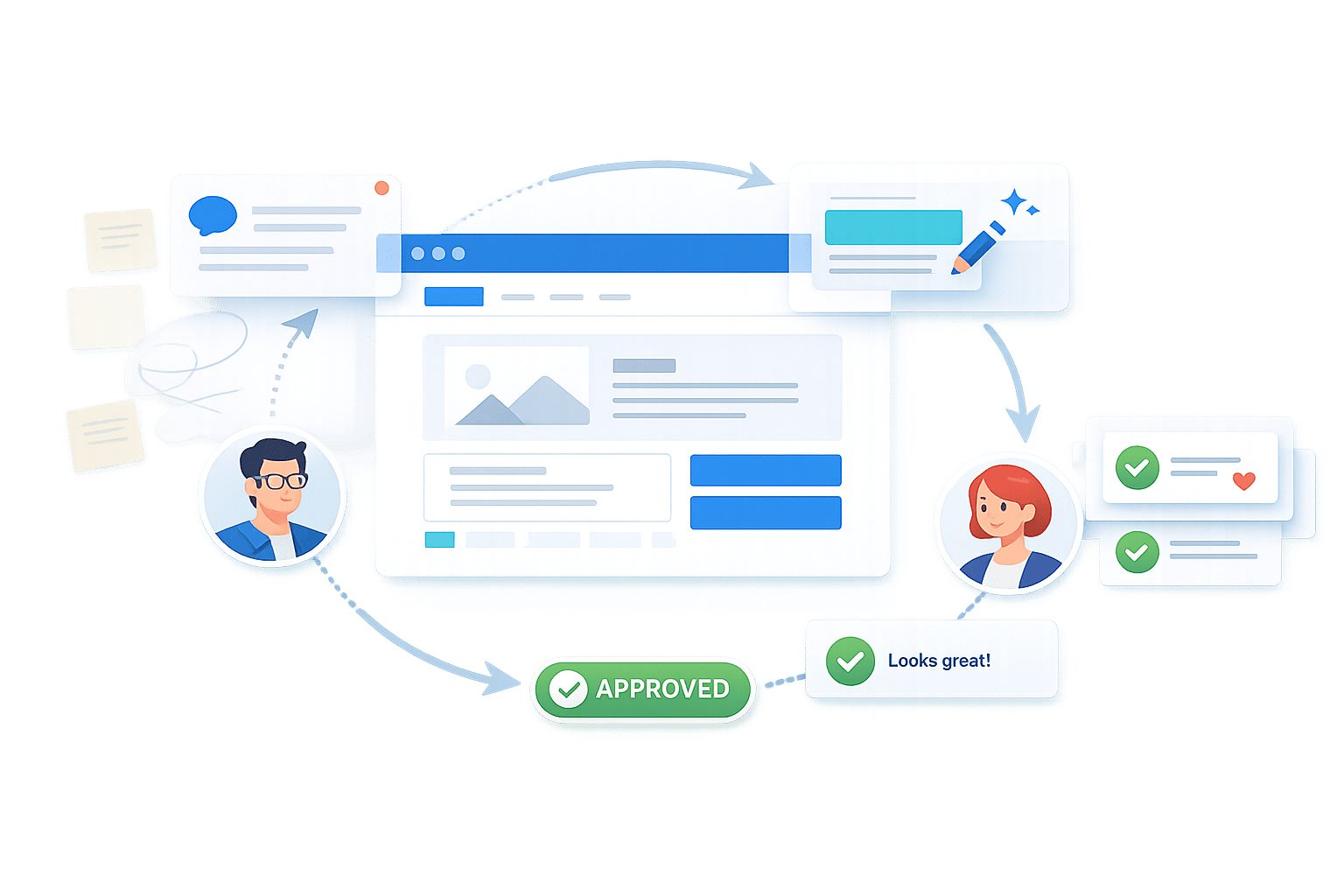
How Web Designers Win Clients and Streamline Feedback
The web design industry has experienced a whirlwind of changes over the past decade. From the rise of DIY website builders to the integration of AI and advanced tools, web designers face an ever-shifting landscape. In a fascinating and candid conversation, web design expert Josh Hall and longtime collaborator Ammer Salem explored the evolution of the field, the role of technology, and the increasing need for collaboration and adaptability. This article distills their insights, offering actionable strategies for freelancers, creative agencies, and in-house marketing teams navigating these changes.
Introduction: The Changing Face of Web Design
The discussion opened with a bold observation: while AI, DIY website builders, and automation are gaining traction, there is still - and increasingly so - an irreplaceable value in professional web designers. Josh Hall explained, "AI may be a starting point, but clients can butcher a template in three minutes. Web design is about more than tools; it’s about expertise, creativity, and problem-solving."
This perspective sets the tone for the challenges and opportunities awaiting web designers in 2026. For teams managing visual deliverables, client feedback, and revisions, the key lies in embracing tools while retaining the human element.
sbb-itb-32f6eb2
The Evolution of Web Design: From Dreamweaver to AI Builders
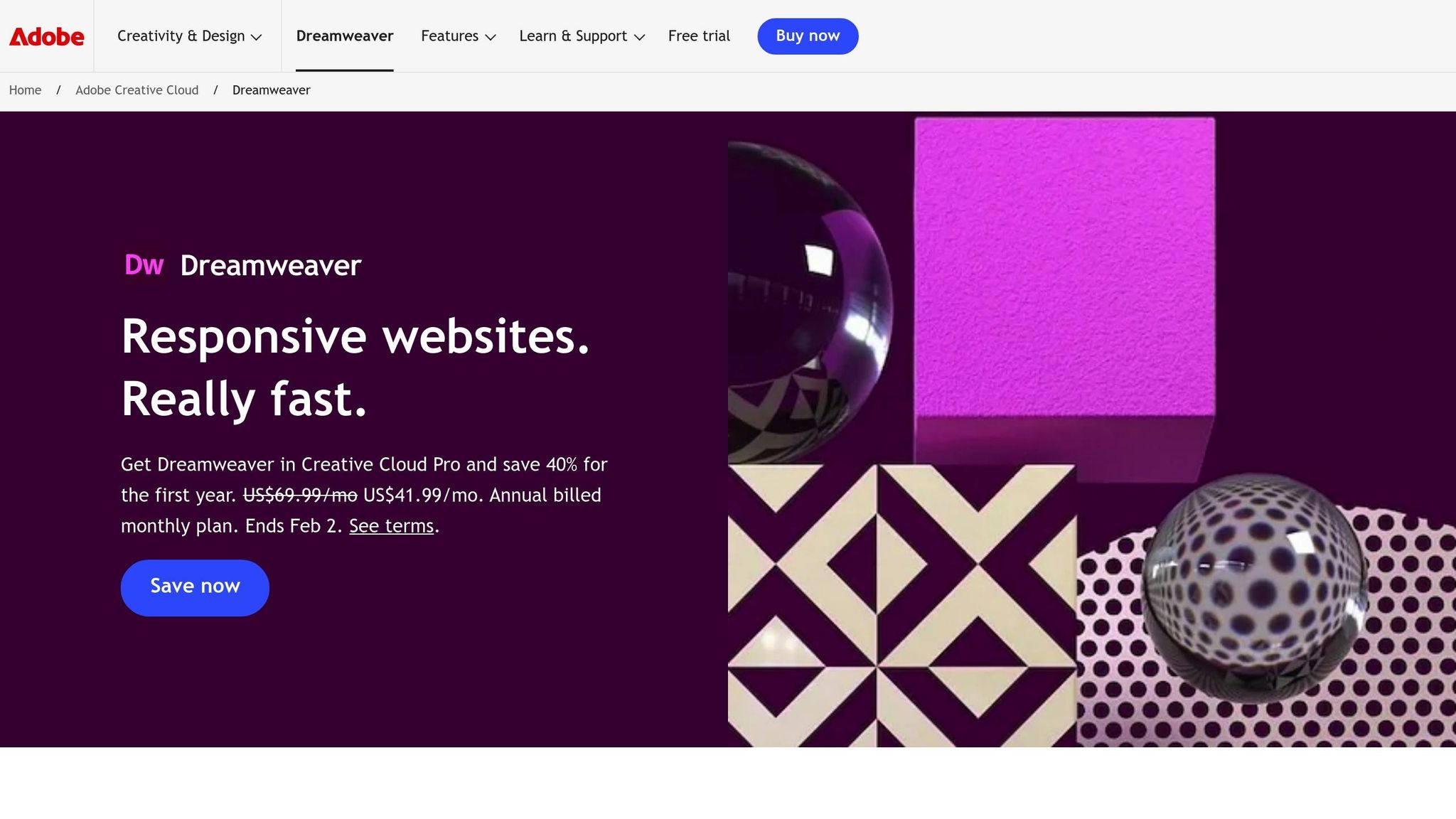
1. The Early Days: Dreamweaver and Hardcoding
Josh Hall began his web design journey in 2010 using Dreamweaver and manual coding. These tools were revolutionary at the time, but they required significant technical expertise. "Back then, building a website was daunting for small businesses", shared Josh, reflecting on how they often paid exorbitant amounts for basic websites.
2. The Rise of WordPress and Divi
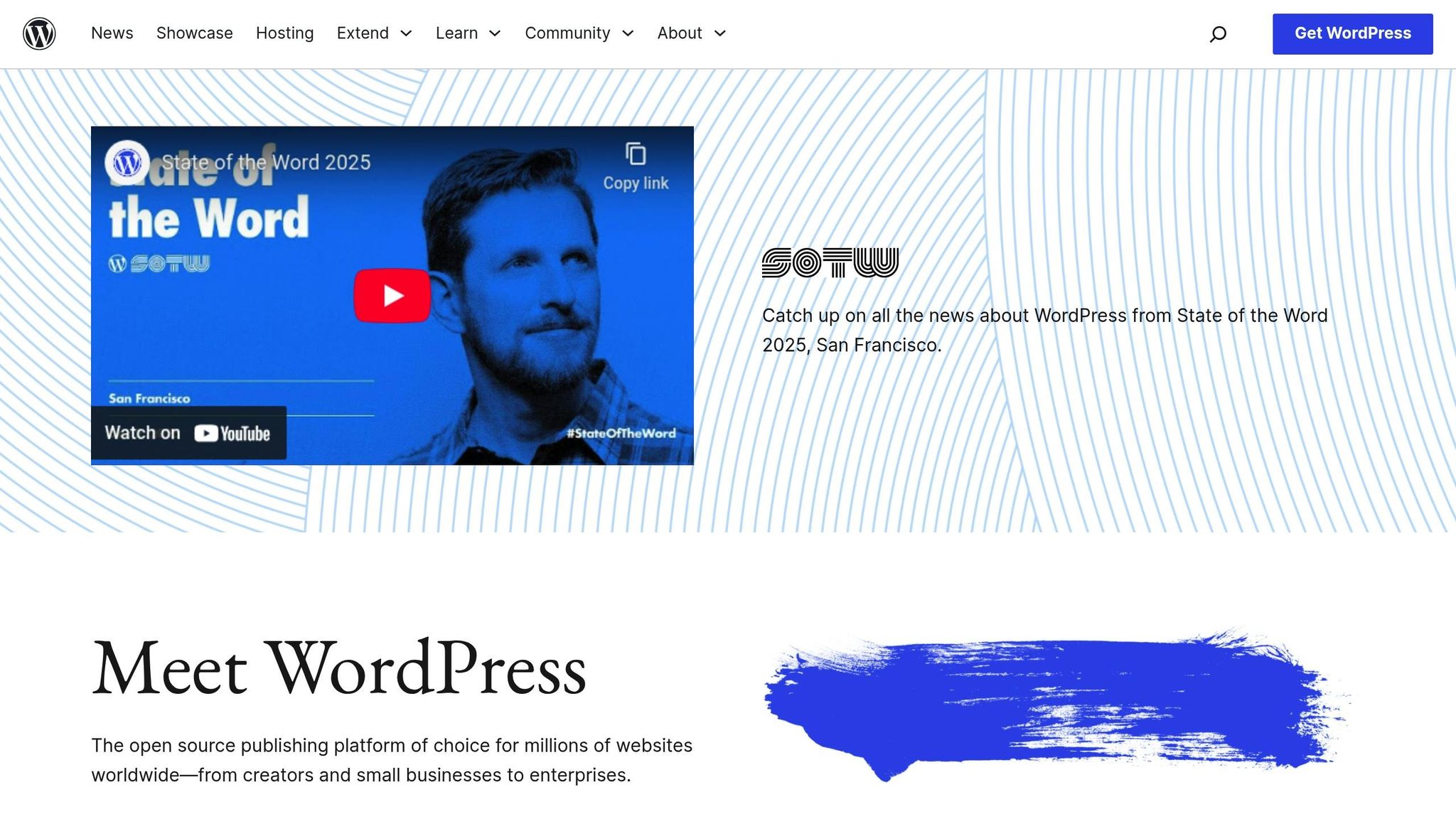
The introduction of WordPress democratized web design, allowing designers to work faster and with more flexibility. Josh described how WordPress themes and page builders like Divi transformed the game in the mid-2010s. "Divi’s visual builder was a revelation", he said. "It made web design accessible but still required a professional touch to unlock its full potential."
3. The Present and Future: AI and Specialized Tools
Fast forward to today, and AI-powered website builders like Wix and GoDaddy’s tools are increasingly popular among DIY users. However, as Ammer pointed out, these tools work best for ultra-simple websites, not for businesses seeking a professional digital presence. "AI can generate templates and ideas, but it can't manage domains, optimize for SEO, or handle backend complexities like DNS and email deliverability", he explained.
Josh predicts a pendulum shift: "As AI takes over the DIY market, the value of professional web designers will grow. Expertise and human creativity are irreplaceable."
The Challenges of DIY and AI in Web Design
Why DIY Solutions Often Fall Short
DIY platforms like Wix and Squarespace promise simplicity, but they often create more problems than they solve. Josh shared a common scenario: clients who enthusiastically create their own sites often end up frustrated by functionality or design limitations. "They may even spend more time fixing issues than it would have taken to hire a designer", he noted.
AI: A Double-Edged Sword
AI tools like ChatGPT and Gemini offer exciting opportunities, such as generating content, CSS, and even layout ideas. However, relying solely on AI can lead to mediocre results. Ammer humorously shared a story of spending hours trying to replicate an Elementor effect on Divi using AI-generated code - only to solve it with his own idea.
The consensus? AI is a tool, not a solution. It can enhance workflows but won’t replace the expertise of a skilled designer.
Opportunities for Web Designers in 2026
1. Specializing in High-Value Services
Web designers today are no longer just "builders." They are strategists, problem-solvers, and consultants. Services like local SEO, custom integrations, and advanced optimizations offer lucrative opportunities. As Ammer noted, "Clients don’t just want a website; they want results - faster page loads, better search rankings, and seamless user experiences."
2. Emphasizing Collaboration and Communication
One of the recurring themes in the discussion was the importance of clear communication. Both Josh and Ammer highlighted how web designers who collaborate effectively with clients and stakeholders can drastically reduce revision cycles and improve client satisfaction.
3. Leveraging Tools Without Losing the Human Touch
Tools like Divi, Elementor, and even AI-powered options enable designers to work more efficiently. However, success lies in using these tools strategically. "The tool doesn’t make the designer", said Josh. "It’s your ability to create meaningful user experiences."
How to Future-Proof Your Web Design Career
Invest in Recurring Revenue Streams
Josh credited his maintenance plans as the key to sustaining his business during challenging times. "Recurring revenue buys you freedom", he emphasized. Whether through monthly maintenance packages or long-term client retainers, predictable income allows designers to focus on growth instead of constant client hunting.
Stay Open to Learning
The ability to learn new tools and adapt to market demands is crucial. This includes embracing AI for tasks like content generation while sharpening foundational skills like design, SEO, and project management.
Build a Community
Community-building emerged as a powerful theme. Josh started the Divi Web Designers Facebook group, which became a hub for knowledge-sharing and collaboration. Whether through forums, Slack channels, or private communities, connecting with peers can accelerate growth.
Key Takeaways
- AI is not a threat but a tool. Use it to enhance - not replace - your services.
- DIY platforms have limitations. Professional web designers are more valuable than ever for businesses seeking quality and reliability.
- Specialize in high-value niches. Services like SEO, backend optimization, and custom integrations are in-demand.
- Recurring revenue ensures stability. Offer maintenance plans or subscription-based services for long-term financial health.
- Human creativity is irreplaceable. Clients value expertise, collaboration, and personalized solutions.
- Keep learning. Adaptability to new tools and trends will sustain your career in a dynamic industry.
- Build a network. Networking with peers and mentors can open doors to new opportunities and insights.
Conclusion: Web Designers Are Here to Stay
Far from becoming obsolete, web design is entering a golden age for those willing to adapt. As Josh Hall and Ammer Salem highlighted, the future belongs to designers who can balance technical expertise, creative flair, and human-focused problem-solving. Whether you’re a freelancer, agency, or in-house team, there’s never been a better time to refine your skills, embrace new tools, and deliver exceptional value to clients.
The web design industry is evolving - and with the right mindset, so can you. Stay focused, keep learning, and remember: while technology changes, the need for human creativity and expertise remains constant.
Source: "How Web Design has Evolved from 2010 to 2026 (my behind-the-scenes journey) with Amr Selim" - Josh Hall, YouTube, Jan 5, 2026 - https://www.youtube.com/watch?v=iaDdBP9v7Vg