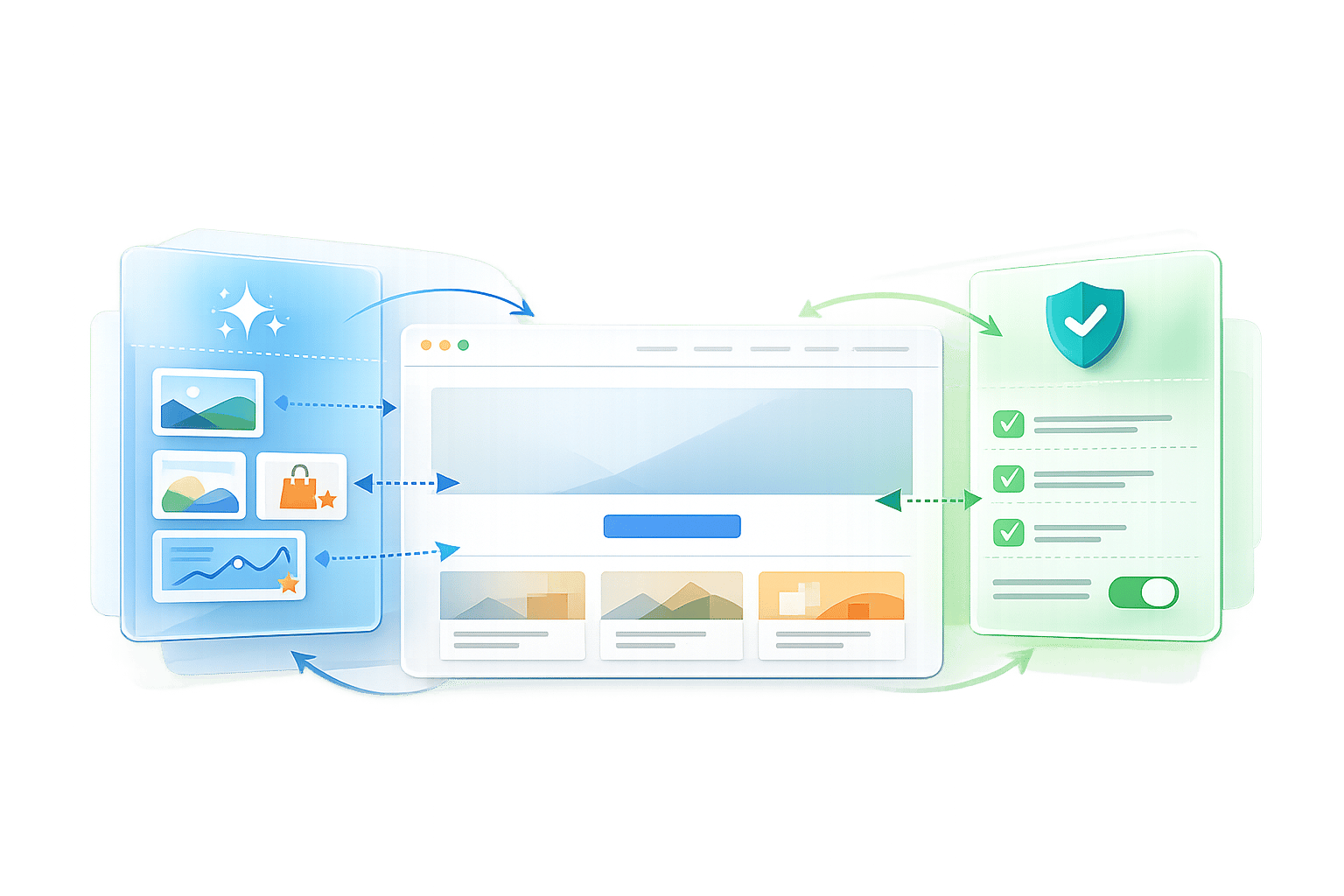
Prepare Your Website for 2026: AI & Compliance
The digital landscape is rapidly evolving, and as we step into 2026, the demands on websites have never been greater. From integrating artificial intelligence (AI) to meeting stricter compliance requirements, it’s clear that businesses must adapt or risk falling behind. Based on an insightful discussion between two founders from a B2B design company, this article distills key trends shaping the future of web design and functionality. Whether you’re a freelancer, an agency, or a marketing team, these insights can help you redefine your approach to web projects.
Introduction: The Shift in Website Strategy
Gone are the days when websites were static, one-time creations. Today, they are living systems that are constantly evolving to meet user needs, leverage new technologies, and adapt to stricter compliance regulations. In 2026, the focus has shifted toward personalized, AI-driven experiences and robust compliance measures. This evolution not only impacts design and development teams but also changes how businesses approach client and stakeholder communication.
This article explores the most transformative trends in web development and design that will define success this year, providing actionable insights to help you stay ahead in a competitive landscape.
sbb-itb-32f6eb2
The Rise of Single-User Apps and Vibe Coding
What Are Single-User Apps?
One of the most intriguing trends discussed is the rise of single-user apps - customized tools created by individuals to solve niche problems in their workflows. This phenomenon, referred to as "vibe coding", empowers semi-technical professionals to quickly assemble applications for personal use. These tools allow for greater individual productivity without needing enterprise-level software or support from a development team.
For example:
- A designer creating a tool to optimize image uploads for clients.
- A developer coding a local app to streamline repetitive internal tasks.
Why It Matters
While these grassroots solutions boost productivity, there are inherent risks involved. Governance and data security remain significant concerns, especially when such tools are used in professional settings. Organizations need to establish controls to ensure compliance with data privacy requirements and avoid exposing sensitive information.
Compliance Moves Closer to Design and Product Teams
Compliance Is No Longer Solely a Legal Concern
Compliance - whether related to accessibility, privacy, or AI usage - is becoming a central part of web design and development. Historically seen as the domain of legal teams, compliance is now shifting toward product and design teams to ensure legal adherence is baked into the user experience.
Key areas to watch in 2026:
- Accessibility: Meeting standards like ADA and WCAG compliance is no longer optional. Accessibility must be a foundational part of every design decision.
- Privacy: From cookie banners to user data deletion requests, websites need detailed, transparent privacy policies and systems for tracking user consent.
- AI Policies: With the increasing use of machine learning and AI-driven features, companies must define clear policies on how data is processed and used ethically.
The Takeaway
Compliance is no longer just a back-end concern - it’s an integral part of the user experience. Design teams need to work alongside legal and development teams to create seamless, user-friendly experiences that are also compliant with regional and global regulations.
AI-Driven Dynamic Web Experiences
A New Era Beyond Personalization
While traditional personalization (e.g., targeted ads or recommendation engines) has reached maturity, AI is taking web experiences to the next level. In 2026, the concept of dynamically generated webpages is gaining traction. Instead of serving static pages, AI-driven systems reconfigure entire interfaces based on user behavior, intent, and data.
Potential Applications:
- E-Commerce: Dynamically reorganizing product pages based on a user’s browsing history, preferences, or even location.
- Content Platforms: Delivering tailored layouts and recommendations that adapt as users interact with the site.
This innovation raises important design questions: What does a webpage look like when it’s entirely fluid? How do designers create systems rather than static templates? This shift challenges traditional design processes but opens up new opportunities for crafting deeply personalized user journeys.
The Website as a Living System
Shift from Static Launches to Continuous Evolution
Websites are no longer static products that go live and remain untouched for years. Instead, they are living systems that evolve continuously. This shift is supported by advancements in modular design, AI-powered optimization, and design systems.
Key considerations:
- Modular Design Systems: Modular layouts allow for flexibility and quick updates, ensuring websites can adapt to changing needs without complete overhauls.
- AI Optimization: AI tools can automate testing and optimization, improving user flow, visual hierarchy, and even narrative structure without manual input.
- Cross-Department Collaboration: Websites now intersect with marketing, sales, operations, and support, making collaboration across teams essential.
Why It’s Critical
Businesses that treat their websites as static products risk falling behind competitors who leverage technology to continuously optimize and evolve their digital presence.
The Role of Sales Tech Stacks in Driving Web Integration
Connecting Sales and Web Strategies
As sales technology grows more sophisticated, websites play a pivotal role in gathering and feeding user data into advanced sales funnels. Tools like AI-powered outreach and predictive analytics rely heavily on insights derived from website interactions.
Future Trends in Sales Tech Integration:
- Personalized Sales Journeys: Websites can tailor content and CTAs based on a user’s position in the sales funnel.
- Deeper Analytics Integration: Analytics go beyond page views to include granular data about user intent, engagement, and behavior.
- Automated Workflows: AI-driven tools can connect website data with CRM systems, enabling sales teams to act on insights in real time.
The Challenge
While the potential is exciting, businesses must ensure that these systems are not only effective but also compliant with privacy regulations and ethical standards.
Key Takeaways
- Single-User Apps on the Rise: Expect more professionals to create and use vibe-coded tools for personal productivity, but ensure governance and security are in place.
- Compliance Comes to Design: Accessibility, privacy, and AI usage must be integrated into design processes, not relegated to legal departments.
- Dynamic Webpages Powered by AI: The traditional concept of personalization evolves into dynamically configured web experiences tailored to individual users.
- Websites as Living Systems: Treat your website as a constantly evolving product, supported by modular design systems and AI-driven optimization.
- Sales Integration: Deeper connections between websites and sales tech stacks will transform how businesses approach customer journeys and analytics.
Conclusion: Adapting for Success in 2026
The trends shaping 2026 demand businesses rethink their approach to web design and functionality. By adopting AI-driven tools, prioritizing compliance, and treating websites as living systems, organizations can create digital experiences that are dynamic, personalized, and future-proof. The challenges are significant, but the tools and strategies available today make this evolution more accessible than ever. It’s time to embrace the future of web development - and build systems that thrive in an increasingly complex digital ecosystem.
Source: "The Future of Web Design in 2026" - Tennis, YouTube, Jan 13, 2026 - https://www.youtube.com/watch?v=RaARXaIIJCU