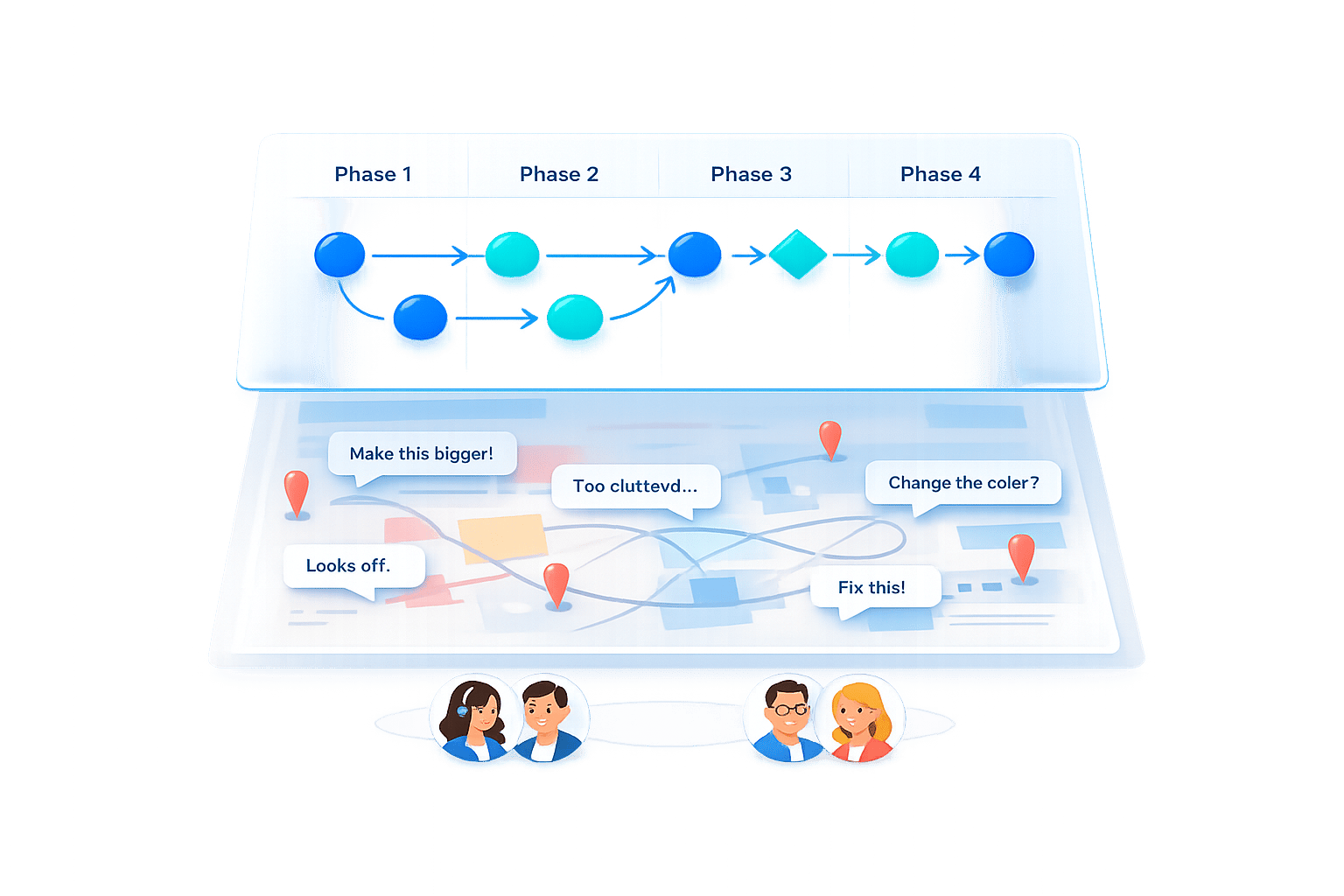
How Designers Fix Client Feedback: Strategy Over Execution
The world of graphic design is undergoing a seismic shift. Designers, freelancers, and creative teams alike are feeling the pressure of increasingly cluttered workflows, heightened client expectations, and the disruptive influence of AI and DIY tools like Canva. What once felt like a creative flow has now turned into a relentless cycle of revisions, rushed deadlines, and "fixing" rather than creating. But this doesn’t mean design has lost its importance - far from it. According to insights shared in the latest episode of The Angry Designer Podcast, the real culprit is the devaluation of execution, not design itself.
In this article, we break down the key challenges designers face today and, more importantly, how they can pivot their approach to reclaim their role as strategic thinkers and creative leaders. Whether you’re a freelancer, part of a creative agency, or an in-house marketing professional, these insights will help you reduce revision cycles, win client trust, and deliver impactful work.
The "Blink Effect": Why Everything Feels Harder for Designers
The design industry didn’t change overnight, but it sure feels that way to many professionals. The hosts of The Angry Designer Podcast coined this phenomenon the "Blink Effect." Over the past three to four years, the design world has experienced a near-constant barrage of disruptions:
- Remote Work Normalization: The pandemic forced everyone to work from home, and tools like Zoom and Google Meet made virtual interactions the norm. This shift eliminated the personal, face-to-face connections many designers previously relied on to build trust and guide projects.
- The Rise of DIY Tools: Platforms like Canva and AI tools have empowered clients to create designs themselves. While this capability might seem like a convenience, it has led to clients jumping into the middle of the design process - often with incomplete or poorly executed work that designers must "fix."
- The AI Infiltration: Artificial intelligence entered the design process not as a slow evolution, but as a disruptive force. Tools like ChatGPT and AI art generators can simulate creative execution, blurring the lines between professional design work and automated outputs.
The result? Designers are no longer just creators - they’re becoming problem-solvers tasked with repairing the fragmented results of client-driven experiments.
sbb-itb-32f6eb2
Key Challenges Designers Face Today
1. The Pressure of Speed
What used to be a "fast" turnaround of four to five days is now considered slow. Clients expect near-instant results, often driven by the misconception that tools like AI and Canva can instantly replace the thoughtfulness of professional design.
Impact: This unrealistic expectation puts pressure on designers to prioritize speed over strategy, often sacrificing quality.
2. The Devaluation of Design Execution
Once upon a time, technical mastery of tools like Photoshop or Illustrator was a designer's calling card. Now, clients have access to similar capabilities through free or low-cost platforms like Canva or Affinity.
Impact: With design execution commodified, clients often undervalue the expertise and strategic thinking that professional designers bring to the table.
3. Increasing Client Involvement
Clients now engage at earlier and more active stages of the design process. Whether it’s presenting poorly constructed wireframes or offering AI-generated ideas, they feel more entitled to dictate direction.
Impact: This involvement can derail workflows, leading to chaotic revisions and additional work for design teams who have to reset expectations and fix amateur design attempts.
4. A Focus on "Good Enough"
Clients often settle for designs that are "good enough" because they look visually appealing - without understanding that effective design must serve a purpose. This results in a growing amount of "design slop" (subpar work created using AI or templates) that fails to deliver meaningful results.
Impact: Designers are tasked with correcting these mistakes, leaving little time for original creative work.
The Solution: Strategy Over Execution
The good news? The value of design hasn’t disappeared - it’s simply shifted. Modern designers need to pivot from being executors to being strategic thinkers. Here’s how:
Elevate Your Role as a Design Thinker
Designers are increasingly dividing into two camps: design doers and design thinkers. While both play important roles, the thinkers - those who focus on strategy and process - are less likely to be replaced by AI or DIY tools.
- Design Doers: These are the executioners who focus on creating visually appealing designs. However, their work is increasingly at risk of being devalued or replaced by automated tools.
- Design Thinkers: This group focuses on the "why" behind the work. They offer strategy, problem-solving, and insights along with their creative output.
Key Insight: To future-proof your career, focus on becoming a design thinker. Clients value the expertise and insights that come from years of experience and a strategic mindset.
Lead the Narrative with Clients
One of the most impactful ways to combat the noise of client interference is to guide the conversation. This means articulating the "why" behind your decisions before clients have the chance to challenge them.
- Explain Your Decisions Proactively: Don’t wait for a client to ask why you chose a particular design element. Lead with the logic and purpose behind your choices.
- Replace Feelings with Intent: Avoid phrases like "I like" or "I feel." Instead, provide data-backed explanations that demonstrate your expertise: "This design choice reflects your brand’s values and is proven to drive engagement."
Key Insight: Clients trust what they understand. By demystifying your process, you reinforce your value as a professional.
Slow Down Execution, Speed Up Thinking
Rushing into execution is a mistake many designers make, especially when under pressure. Instead, shift your focus to strategy and planning upfront.
- Prioritize Research: Understand your client’s goals, audience, and pain points before you even start designing.
- Create Purposeful Designs: Every element you include should serve a specific function, whether it’s guiding user behavior or communicating a message.
Key Insight: Thoughtful planning not only results in better designs but also reduces the likelihood of endless revision cycles.
Create a Seamless Client Experience
Clients don’t always see the intricacies of the design process, which can lead to misunderstandings or mistrust. Combat this by making your process transparent and collaborative.
- Show Your Work: Present your design process step-by-step so clients can see the value you’re providing.
- Focus on Outcomes, Not Tools: It’s not about the software you use but the results you deliver. Highlight how your work impacts your client’s goals.
Key Insight: When clients feel included and informed, they’re less likely to micromanage or question your expertise.
Key Takeaways
- Shift from Execution to Strategy: The design profession is evolving. Focus on becoming a design thinker, not just a doer.
- Lead the Conversation: Proactively explain your decisions and guide client feedback, rather than reacting to it.
- Slow Down to Speed Up: Invest more time in research and strategy to minimize revisions and maximize impact.
- Replace Feelings with Logic: Clients value data-backed insights over personal preferences.
- Embrace Transparency: Share your process to build trust and demonstrate your value.
- Adapt to New Tools: Use AI and platforms like Canva as complementary tools, not threats.
- Value Longevity: Experienced designers who combine strategic thinking with creativity will thrive in this evolving landscape.
Conclusion
The design industry may feel more chaotic than ever, but this doesn’t mean it’s any less valuable. The key to thriving in this new environment lies in shifting your focus from execution to strategy. By leading with purpose, engaging clients proactively, and embracing your role as a design thinker, you can navigate these challenges with confidence.
The tools may have changed, but the essence of great design remains the same: design is thinking made visual. Stay true to this principle, and you’ll not only survive these turbulent times but thrive in them. Remember, your value isn’t in how fast or cheaply you can deliver - it’s in the impact and purpose you bring to the table.
Source: "Graphic Design’s New Reality Nobody Prepared For" - The Angry Designer Podcast for Graphic Designers, YouTube, Jan 13, 2026 - https://www.youtube.com/watch?v=K23KOLWWH9o