
9 Ways Copywriters Use AI to Improve Web Copy
In recent years, artificial intelligence (AI) has transformed the way we approach all aspects of digital work, including web copywriting. For freelancers, creative agencies, and marketing teams managing visual deliverables and client feedback, AI tools like ChatGPT, Claude, and Perplexity have introduced opportunities to streamline workflows, spark creativity, and refine messaging. However, these tools also raise questions: Can they replace human expertise? How do they fit within a professional copywriter’s workflow? And most importantly, how can AI be used without sacrificing clarity, brand voice, and human connection?
This article explores these questions by analyzing how professional copywriters, like Nikki Thompson, are using AI to enhance their craft. Nikki shares her expert insights on leveraging AI as a tool rather than a crutch, the limitations of machine-generated content, and actionable strategies for writing high-converting web copy that retains personality and purpose.
The Role of AI in Copywriting: A Complement, Not a Replacement
The rise of AI in creative industries has sparked concerns about job displacement, particularly in fields like copywriting. Yet, as Nikki explains, AI tools are not likely to replace skilled professionals anytime soon. Instead, they serve as powerful complements to human expertise.
"You can get good information out of AI tools", Nikki notes, "but how do you know that’s right for your brand? Discernment and expertise remain key." While AI can generate drafts, headlines, or ideas, it cannot replicate the strategic thinking, brand nuance, and emotional connection that human writers provide. For businesses aiming to stand out, relying solely on AI risks producing generic or uninspired messaging.
sbb-itb-32f6eb2
Where AI Fits Into the Copywriting Workflow
AI is particularly effective in specific stages of the writing process. Here’s how professionals like Nikki incorporate it into their workflows:
1. Idea Generation and Content Inspiration
AI tools can help writers brainstorm ideas and structure initial drafts. For example, by reviewing client testimonials or customer feedback, AI can analyze recurring themes or sentiments that resonate with target audiences. Nikki shares how she uses AI to process large amounts of client reviews and identify key phrases or emotional language that can be reflected in the brand’s messaging.
2. Condensing and Refining Text
One of AI’s strengths is its ability to refine long-winded content into concise, punchy language. Nikki frequently uses it to shorten sections of web copy or create alternative headline ideas, ensuring the content remains scannable and engaging. However, she emphasizes the importance of reviewing AI’s output to avoid "robotic" phrasing or inconsistencies with a brand’s voice.
3. Identifying Gaps in Messaging
AI can provide a fresh perspective by highlighting potential weaknesses or unclear areas in your copy. For example, it can flag overly technical jargon, missed opportunities to address customer pain points, or redundancies that dilute the message.
Key Differentiators: Human Expertise vs. AI Writing
AI-generated content can efficiently produce polished text, but it lacks the human touch that elevates content into a truly persuasive or memorable experience. Here’s what sets professional copywriters apart:
1. Clarity and Strategy
Copywriters ensure that every word serves a purpose. Nikki emphasizes the importance of answering key questions in your headlines and body copy: Who is this for? What value does it provide? Why should the reader care? AI often produces fluff or overly generic output, but a skilled writer crafts messaging that is clear, impactful, and aligned with a brand’s goals.
2. Brand Personality
How your business "sounds" is integral to building trust and connection with your audience. Nikki explains that AI struggles to capture the subtleties of brand voice, leaving messaging that can feel sterile or inconsistent. A great copywriter can inject humor, authority, or warmth into your content, ensuring it feels authentic and relatable.
3. Storytelling and Transformation
AI-generated copy often lacks depth. Humans, however, can craft compelling narratives that highlight customer transformations. Nikki encourages businesses to include case studies, testimonials, and examples that illustrate the outcomes of working with their brand. Storytelling not only builds trust but also differentiates your services from competitors.
Applying the StoryBrand Framework for Better Web Copy
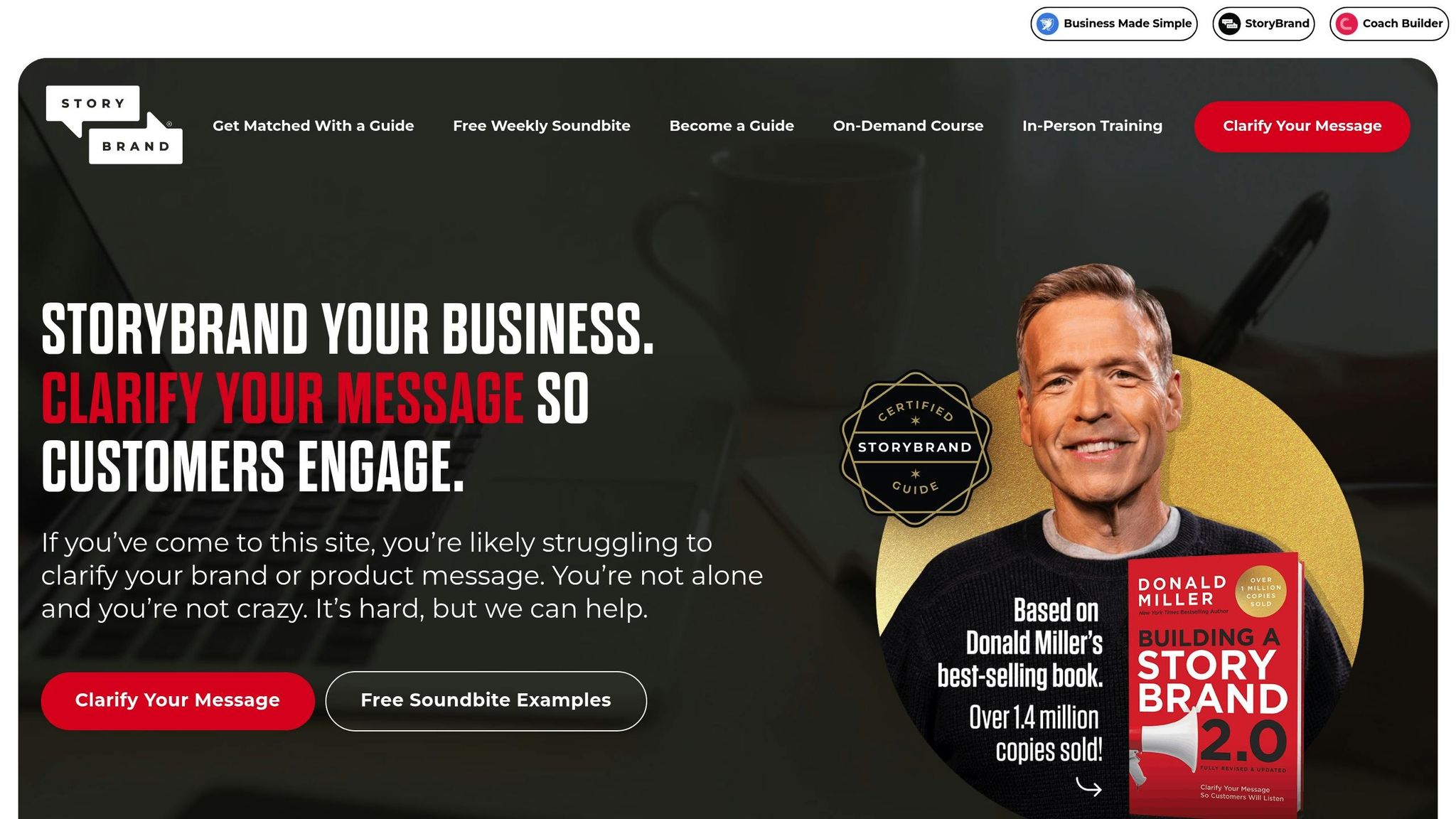
One of the frameworks Nikki uses in her work is Donald Miller’s StoryBrand methodology, which structures messaging around seven key elements: the character (your customer), their problem, the guide (your business), the plan, the call-to-action, and the resulting success or failure. Here’s how it applies to specific web pages:
Homepage
The homepage is your first impression. Nikki recommends using the StoryBrand framework to ensure clarity. The headline should immediately communicate:
- Who you are
- What you do
- The value you provide
Subsequent sections can briefly address customer challenges, introduce your services, and include a clear call-to-action. Keep it scannable and concise, focusing on directing visitors to the next step, whether that’s learning more about your services or getting in touch.
Service Pages
Service pages allow for more detailed storytelling. Focus on customer pain points and how your services solve them. For example:
- Describe the challenges your ideal clients face.
- Showcase the benefits and outcomes of your service.
- Provide a clear process or plan that builds trust and reduces uncertainty.
About Page
The about page is an opportunity to humanize your business. Share your story, your values, and what drives you. Nikki stresses that while the customer’s story should remain front and center, it’s equally important to express the "why" behind your business to create an emotional connection.
Quick Wins for Better Web Copy
For those looking to improve their web copy immediately, Nikki offers this actionable challenge: Review your headlines.
- Do the headlines on your homepage, service pages, and about page tell a complete story?
- Avoid generic labels like "Services" or "Testimonials." Instead, use headlines to communicate the transformation or value your audience can expect.
- Ensure they answer key questions at a glance: What do you do? Who is it for? Why does it matter?
For example, instead of a headline like "Our Services", try "Helping Small Businesses Achieve Financial Freedom with Customized Solutions."
The Future of Copywriting: Staying Human in an AI World
AI will continue to evolve and influence the way we approach copywriting, but its utility lies in collaboration - not replacement. Skilled copywriters use AI as a tool to enhance their work, not to replace their unique ability to connect with audiences on a deeper level.
Furthermore, as businesses grow and refine their messaging, there’s increasing opportunity for ongoing optimization. Nikki envisions a future where copywriters not only create web content but also revisit it regularly to improve conversions through data-driven insights.
Key Takeaways
- AI is a tool, not a replacement: Use AI to assist with brainstorming, refining text, and analyzing customer feedback, but don’t rely on it for final drafts.
- Clarity is king: Make sure your messaging answers key questions about who you are, what you offer, and why it matters.
- Focus on brand personality: Human copywriters excel at creating messaging that is clear, authentic, and aligned with your brand’s voice.
- Storytelling matters: Incorporate case studies and examples to highlight customer transformations and differentiate yourself from competitors.
- Headlines should tell a story: Avoid generic labels and ensure every headline conveys value and purpose.
- Adapt and refine: Regularly revisit your messaging to ensure it aligns with your evolving business goals and audience needs.
- The customer is the hero: Use frameworks like StoryBrand to make your audience’s journey the focal point of your content.
By focusing on clarity, strategy, and connection, businesses can use AI to complement their messaging while doubling down on human expertise to create content that resonates, converts, and builds lasting relationships. After all, it’s not just about words on a page - it’s about transformation, trust, and storytelling that leaves a lasting impact.
Source: "Can Copywriters Survive in an AI World? with Nikki Thompson" - Josh Hall, YouTube, Jan 19, 2026 - https://www.youtube.com/watch?v=01CUlEEtqsU